
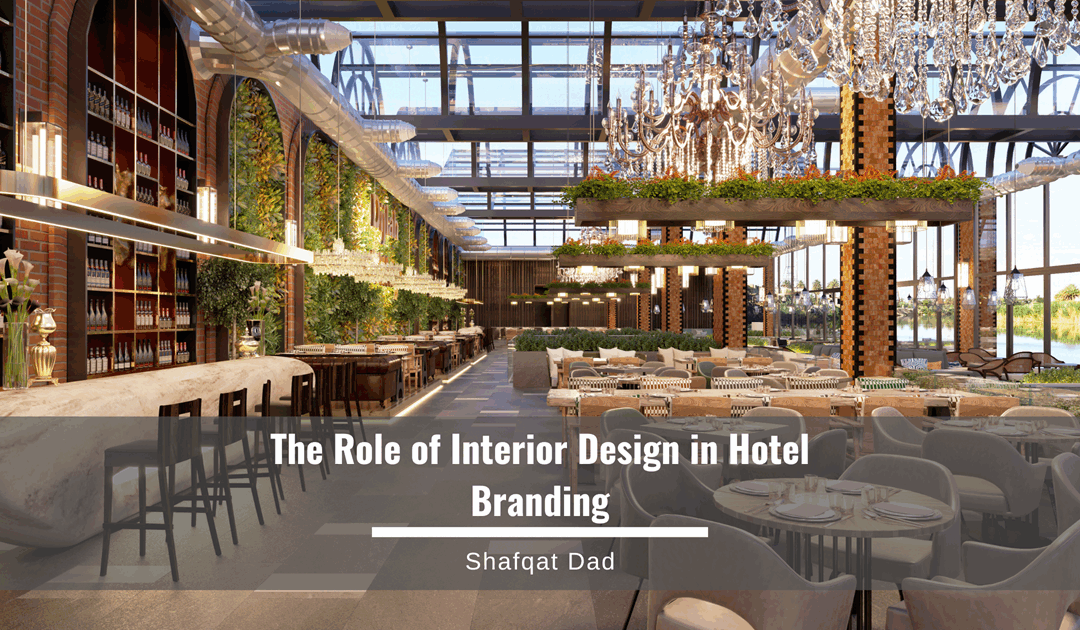
Interior design plays a pivotal role in shaping how guests perceive and connect with a hotel’s brand. More than just décor and furniture, design reflects the hotel’s personality, values, and promise to its guests. In an increasingly competitive hospitality industry, where customers are flooded with options, the design of a hotel can become a defining feature that distinguishes it from the rest. From the lobby to the guest rooms, interior design acts as a silent yet powerful communicator of a hotel’s identity.
A hotel’s brand is more than just its logo or name. It’s an emotional and psychological connection with guests. Interior design amplifies that connection by creating a cohesive visual and sensory experience that aligns with the brand’s message. For instance, a luxury hotel might feature marble floors, gold accents, and grand chandeliers, signaling opulence and exclusivity. On the other hand, a boutique eco-resort may use reclaimed wood, natural textiles, and earthy tones to emphasize sustainability and authenticity. Each design choice, when made intentionally, reinforces the overall narrative of the hotel.
The design of the hotel lobby, as the first physical space guests encounter, sets the tone for their entire stay. A well-designed lobby should embody the brand and evoke the desired first impression. Whether aiming for elegance, warmth, minimalism, or eclectic charm, the lobby’s layout, lighting, colors, and furniture choices must speak the brand’s language clearly and consistently. Guests often decide how they feel about a property within the first few minutes of stepping into the lobby, making this space a key opportunity to impress.
Guest rooms also play a critical role in reinforcing the brand. Everything from bed linens and lighting fixtures to artwork and bathroom amenities contributes to the experience. Consistency is key. A mismatch between marketing promises and actual room design can lead to disappointment, while thoughtful, brand-aligned interiors build trust and loyalty. If a hotel promises a tech-forward experience, rooms should feature smart devices and modern conveniences. If it promotes tranquility and relaxation, the design should emphasize soothing colors, natural materials, and a clutter-free layout.
Public areas like restaurants, spas, lounges, and even corridors further deepen the brand experience. For example, a wellness-centered hotel might incorporate biophilic design elements like indoor gardens, natural light, and calming water features throughout the property. A hotel targeting business travelers may emphasize ergonomic furniture, productivity-enhancing lighting, and co-working spaces in its design. Every corner of the hotel should tell a consistent story that resonates with the brand’s target audience.
Interior design also influences guest behavior, which in turn affects brand perception. Strategic placement of seating encourages socialization in communal areas, while cozy nooks invite privacy and relaxation. Lighting can energize a breakfast buffet or create intimacy in a cocktail lounge. By understanding guest psychology, designers can craft environments that enhance mood, encourage desired activities, and leave a lasting impression.
In the age of social media, design has an even greater impact. Guests frequently share photos and videos of their hotel experiences, turning beautiful interiors into organic marketing tools. Instagram-worthy corners, bold wall art, or a striking staircase can become iconic visual markers of a hotel brand. These design elements don’t just serve current guests—they also attract future ones by building a memorable online presence.
Ultimately, interior design should not be an afterthought in hotel branding. It is a strategic tool that strengthens a hotel’s identity and positions it effectively in the market. From the materials used to the flow of each space, design must align with brand values and guest expectations. A thoughtfully designed hotel not only looks beautiful—it feels right. And when guests feel that emotional connection, they are more likely to return, recommend the hotel, and become loyal advocates of the brand.