
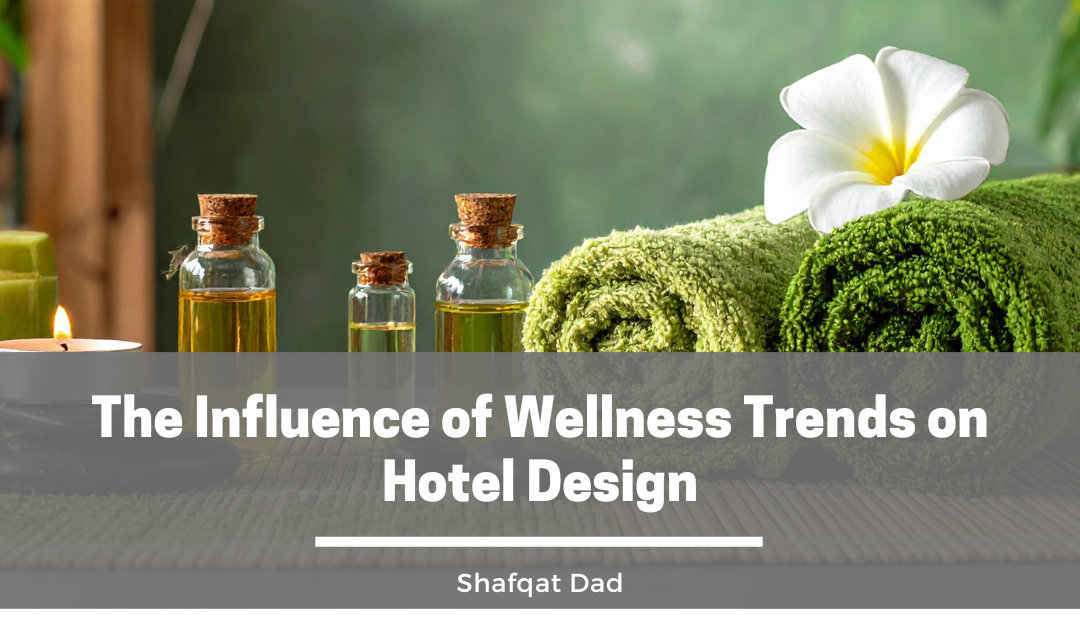
In recent years, the hospitality industry has experienced a significant shift in priorities. Travelers are no longer just seeking a place to sleep—they are looking for spaces that promote relaxation, rejuvenation, and overall well-being. As a result, wellness has become a central focus in hotel design, influencing everything from architecture and interiors to amenities and guest experiences.
The Rise of Wellness-Focused Travel
Modern travelers are increasingly health-conscious, carrying their wellness routines with them wherever they go. Whether it’s maintaining a fitness regimen, prioritizing mental health, or seeking nutritious food options, guests expect hotels to support their lifestyle choices. This demand has given rise to wellness tourism, a rapidly growing segment of the travel industry.
Hotels are responding by reimagining their spaces to create environments that nurture both body and mind. Wellness is no longer limited to spas and fitness centers—it is now integrated into the entire guest experience.
Biophilic Design: Bringing Nature Indoors
One of the most influential trends shaping hotel design is biophilic design, which focuses on connecting guests with nature. This is achieved through the use of natural materials, abundant greenery, and large windows that allow for natural light and outdoor views.
Incorporating elements such as indoor plants, water features, and organic textures helps create a calming atmosphere. Studies have shown that exposure to nature can reduce stress, improve mood, and enhance overall well-being—making it a powerful tool in hospitality design.
Thoughtful Room Design for Better Rest
Sleep quality has become a key priority for hotel guests, and designers are paying close attention to how rooms can support restful sleep. This includes high-quality mattresses, blackout curtains, soundproofing, and adjustable lighting systems that mimic natural circadian rhythms.
Some hotels are even introducing “sleep-focused rooms” equipped with features like aromatherapy, temperature control, and smart beds. The goal is to provide a sanctuary where guests can fully unwind and recharge.
Wellness Amenities Beyond the Basics
While traditional amenities like gyms and spas remain important, hotels are expanding their wellness offerings to include more holistic experiences. Yoga studios, meditation rooms, and wellness programs are becoming common features in modern properties.
Nutrition is also playing a larger role. Many hotels now offer menus with organic, locally sourced ingredients and cater to various dietary preferences. Hydration stations, juice bars, and plant-based dining options are increasingly popular among health-conscious travelers.
The Role of Technology in Wellness
Technology is enhancing wellness-focused design in innovative ways. Smart room controls allow guests to customize lighting, temperature, and even air quality to suit their preferences. Air purification systems and water filtration technologies are also being integrated to create healthier indoor environments.
Additionally, some hotels are using apps and digital platforms to offer guided meditation sessions, virtual fitness classes, and personalized wellness recommendations. This seamless integration of technology ensures that wellness is both accessible and convenient.
Creating Spaces for Mindfulness and Relaxation
Beyond physical health, mental well-being is a major focus in modern hotel design. Quiet zones, reading lounges, and relaxation areas are being thoughtfully incorporated into layouts to provide guests with spaces to disconnect from stress.
Design elements such as soft color palettes, minimalistic décor, and clutter-free environments contribute to a sense of calm. These spaces encourage mindfulness and allow guests to slow down, which is increasingly valuable in today’s fast-paced world.
Sustainability and Wellness Go Hand in Hand
Wellness and sustainability are closely linked, and many hotels are embracing eco-friendly practices as part of their design philosophy. Using sustainable materials, reducing waste, and conserving energy not only benefit the environment but also create healthier spaces for guests.
For example, non-toxic building materials and eco-friendly cleaning products improve indoor air quality, while energy-efficient systems contribute to a more comfortable and responsible stay.
The Business Impact of Wellness Design
Investing in wellness-focused design is not just beneficial for guests—it also makes strong business sense. Hotels that prioritize well-being often see higher guest satisfaction, positive reviews, and increased customer loyalty.
Wellness features can also serve as a unique selling point in a competitive market. Travelers are more likely to choose accommodations that align with their values and lifestyle, making wellness an important differentiator.
Looking Ahead
As wellness continues to shape consumer preferences, its influence on hotel design will only grow stronger. Future developments may include more personalized wellness experiences, advanced health-monitoring technologies, and even greater integration of nature and sustainability.
Hotels that embrace these trends are not just providing accommodation—they are creating environments that support a healthier, more balanced way of living.
In a world where stress and fast-paced lifestyles are the norm, the demand for wellness-oriented spaces is here to stay. By thoughtfully incorporating these elements into design, hotels can offer more than comfort—they can deliver meaningful, restorative experiences that leave a lasting impression on every guest.