
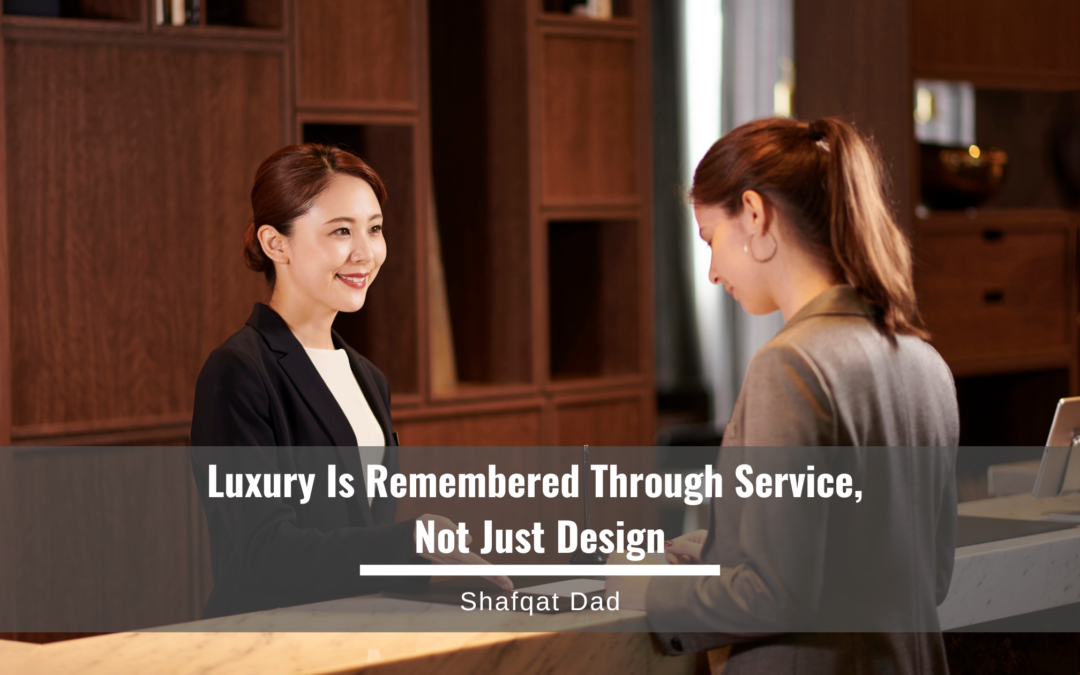
In hospitality, beautiful spaces may attract guests — but exceptional service is what makes them return.
Modern hotels invest heavily in architecture, interiors, amenities, and technology. While these elements certainly shape first impressions, they rarely define the full guest experience. What guests remember most is often far less tangible: how they were treated, how they were made to feel, and whether the experience felt genuinely personal.
That is where hospitality separates itself from accommodation.
A hotel can offer luxury rooms, premium dining, and impressive facilities, yet still feel forgettable if service lacks warmth, attentiveness, or emotional intelligence. On the other hand, even smaller properties often leave lasting impressions through thoughtful interactions, care, and human connection.
In many ways, service has become the true differentiator in hospitality.
The Power of Soft Skills in Hospitality
Technical efficiency matters in hotels. Guests expect cleanliness, organization, speed, and professionalism. But increasingly, the qualities that set outstanding hospitality teams apart are soft skills.
These include:
- Emotional intelligence
- Active listening
- Communication
- Empathy
- Adaptability
- Patience
- Attention to detail
- Anticipating guest needs
Guests rarely remember whether check-in took exactly two minutes instead of four. They remember whether they felt welcomed after a long journey. They remember kindness during stressful situations. They remember staff members who noticed small details without being asked.
Hospitality is ultimately emotional. The best service professionals understand that they are not simply managing reservations or operations — they are shaping experiences.
Personalization Creates Loyalty
Today’s travelers have more hotel options than ever before. As a result, hospitality is becoming increasingly experience-driven rather than purely transactional.
Guests value personalization because it creates a sense of care rather than standardization. Simple gestures often make the biggest impact:
- Remembering returning guests
- Personalizing recommendations
- Accommodating preferences thoughtfully
- Handling concerns calmly and respectfully
- Creating moments of comfort during travel stress
These experiences build emotional loyalty, which is far more powerful than convenience alone. Luxury hospitality today is no longer defined solely by extravagance. Increasingly, it is defined by attentiveness.
Why Hospitality Is More Human Than Ever
Ironically, as technology becomes more integrated into hotels — mobile check-ins, AI systems, automation, digital concierge services — human interaction becomes even more valuable.
Technology can improve efficiency, but it cannot replace emotional connection. Guests still seek warmth, reassurance, and authentic hospitality, especially during travel experiences that may feel unfamiliar, stressful, or emotionally significant. The hotels that stand out are often the ones that balance operational excellence with genuine human care.
That balance requires strong culture internally as well. Exceptional guest experiences rarely happen accidentally; they are usually the result of leadership that prioritizes training, communication, team morale, and service mindset consistently across the organization.
Hospitality Is About How People Feel
At its core, hospitality has never been only about rooms, restaurants, or amenities. It is about creating environments where people feel comfortable, valued, understood, and cared for — even temporarily.
The hotels people remember most are often not the ones with the grandest lobbies or most extravagant features. They are the ones where service felt sincere, thoughtful, and deeply human. Because long after guests forget the thread count or room layout, they usually remember how a place made them feel.